
What Season Is May in China? Calendar and Regional Context
May is meteorological spring in China, but local weather ranges from cool northern conditions to…
Read More →
Qingming represents one of the most significant solar terms in the traditional Chinese calendar, marking an important seasonal transition that has been observed for thousands of years. This ancient system of timekeeping provides valuable guidance for agriculture, health maintenance, and daily living practices. Understanding the significance of qingming offers insight into traditional Chinese wisdom that remains remarkably relevant for modern life.
Throughout Chinese history, the observation of solar terms has shaped everything from agricultural planning to health practices. Families would gather to mark these transitions, preparing special foods and performing rituals designed to align human activity with natural rhythms. While modern conveniences have reduced our direct dependence on these seasonal markers, the underlying principles continue to offer valuable guidance for contemporary living.
The significance of qingming extends beyond mere calendar observation. In the context of traditional Chinese medicine and wellness philosophy, this solar term marks a critical period for health maintenance and seasonal adaptation. The principles encoded in these traditions reflect thousands of years of accumulated wisdom about how to thrive in harmony with natural cycles.
Modern research increasingly validates the health recommendations associated with traditional solar terms. Studies on seasonal patterns, circadian rhythms, and environmental adaptation support many practices that originated in ancient observations of natural cycles. This convergence of traditional wisdom and modern science provides compelling evidence for the continued relevance of these time-honored practices.
From a practical standpoint, the qingming period offers an ideal opportunity for reflection and planning. The transition between seasons prompts consideration of lifestyle adjustments, health maintenance strategies, and preparation for upcoming challenges. These natural pause points in the annual cycle create opportunities for intentional living that might otherwise be lost in the busyness of daily life.
The cultural significance of qingming also provides meaningful connection to ancestral traditions. Understanding these practices helps preserve cultural heritage while offering practical benefits for contemporary life. The emphasis on community gathering, seasonal eating, and alignment with natural rhythms addresses fundamental aspects of human wellbeing.
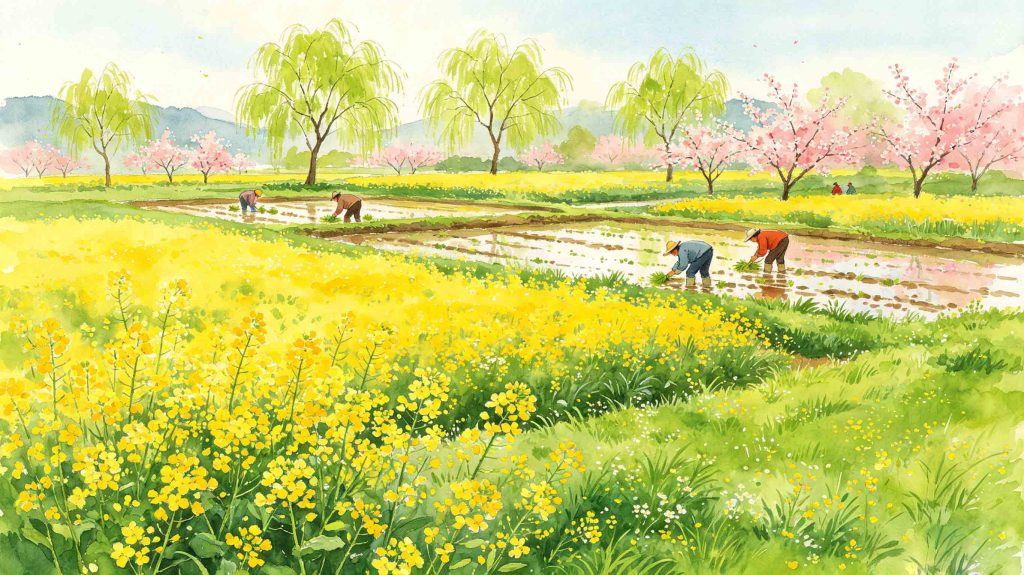
The foundation of understanding qingming lies in recognizing its place within the larger system of solar terms. Each solar term represents a specific point in the annual cycle, marked by particular astronomical events and environmental conditions. This systematic approach to understanding seasonal change has guided Chinese life for millennia.
Traditional teachings emphasize the importance of aligning daily activities with seasonal conditions. This includes adjusting sleep patterns, dietary choices, exercise routines, and social activities to honor the natural rhythm of the season. Such alignment supports both physical health and emotional wellbeing.
Modern interpretations of these principles focus on practical applications that fit contemporary lifestyles. While the specific rituals may have changed, the underlying wisdom about seasonal living remains relevant. Small adjustments to daily routines can honor traditional practices while fitting seamlessly into busy modern schedules.
The historical development of qingming traditions reflects the evolution of Chinese civilization over thousands of years. Agricultural societies developed sophisticated systems for tracking seasonal changes and optimizing their activities accordingly. These observations became encoded in cultural practices, religious observances, and daily customs.
Ancient texts document the significance of seasonal transitions, providing guidance for everything from agricultural planting to imperial ceremonies. The continuity of these traditions across centuries demonstrates their practical value in supporting community wellbeing and cultural identity.
Understanding the historical context helps appreciate why these practices developed and how they served important functions in traditional societies. This knowledge also informs modern applications, helping contemporary practitioners understand the principles underlying specific practices.
Traditional observances of qingming typically involve specific foods, family gatherings, and ritual activities designed to honor the seasonal transition. These customs vary by region but share common themes of appreciation for natural cycles and community connection.
Food traditions play a particularly important role, with specific dishes prepared for each seasonal transition. These foods often carry symbolic meaning while also serving practical nutritional purposes. The emphasis on seasonal eating ensures that dietary practices align with what the body needs during different parts of the year.
Family gatherings strengthen social bonds during important seasonal transitions. These celebrations create opportunities for multi-generational connection, passing cultural knowledge from older to younger family members. The social dimension of seasonal observances addresses fundamental human needs for belonging and community.
Traditional Chinese medicine provides detailed guidance for maintaining health during each solar term. The principles of yin-yang balance, five element theory, and seasonal adaptation inform recommendations for diet, exercise, and lifestyle during the qingming period.
Specific health concerns during this time require particular attention. Understanding the typical challenges associated with qingming allows for proactive health maintenance that prevents problems before they develop. This preventive approach represents a core principle of traditional wellness practices.
Modern wellness research supports many traditional recommendations, providing scientific validation for ancient practices. The integration of traditional wisdom with contemporary health knowledge creates a comprehensive approach to seasonal wellness that addresses both physical and emotional aspects of health.
Dietary recommendations for qingming emphasize foods appropriate for the seasonal transition. Warming foods become more important as cold weather approaches, while the nutritional content supports the body’s changing needs during this period.
Traditional food preparations combine symbolic significance with practical nutrition. Special dishes prepared for the seasonal transition provide both cultural connection and essential nutrients for the challenging period ahead. The wisdom of seasonal eating ensures optimal nourishment throughout the year.
Modern interpretations of these principles focus on accessible alternatives that honor traditional wisdom while fitting contemporary lifestyles. Even simple adjustments to daily eating patterns can provide meaningful benefits for seasonal wellness.
Preparing living spaces for the seasonal transition represents an important aspect of qingming observance. Traditional practices included inspecting and maintaining heating systems, checking insulation, and ensuring adequate supplies for the coming season.
These practical preparations reduce the stress of seasonal changes while ensuring comfort and safety throughout the challenging period. Taking action before harsh conditions arrive allows time for proper planning and resource gathering.
Modern homes benefit from similar seasonal preparations, regardless of technological conveniences. Simple tasks like checking heating systems, adding seasonal bedding, and ensuring adequate warm clothing prevent problems during severe weather.
China’s diverse geography creates significant regional variations in how qingming is observed. Northern and southern regions experience dramatically different weather conditions, influencing everything from clothing choices to food preferences.
Local traditions reflect the unique characteristics of each region while sharing common themes of seasonal awareness and community connection. These variations demonstrate the adaptability of traditional practices to different environmental conditions and cultural contexts.
Understanding regional differences provides insight into the richness and diversity of Chinese cultural traditions. This knowledge also helps explain why certain practices developed in specific areas and how they evolved over time.
Contemporary observance of qingming often combines traditional practices with modern conveniences. Urban populations may not follow all historical customs, yet the underlying principles of seasonal awareness remain significant.
Wellness culture has renewed interest in traditional seasonal practices, with many people embracing principles of seasonal eating, sleep adjustment, and alignment with natural rhythms. This modern interest helps preserve traditional knowledge while adapting it for contemporary lifestyles.
The global spread of Chinese cultural awareness has introduced solar term concepts to international audiences. Non-Chinese populations increasingly explore these traditions as part of broader interest in traditional Chinese wisdom and wellness practices.
Modern interpretations of qingming sometimes misapply traditional principles, reducing their effectiveness or creating new problems. Common mistakes include overemphasis on specific practices while neglecting underlying principles, or blindly following traditions without considering contemporary context.
Understanding the reasoning behind traditional practices helps avoid misinterpretation. The principles of seasonal living can be applied flexibly while honoring the wisdom encoded in traditional observances.
Balancing respect for tradition with practical adaptation ensures that the benefits of seasonal awareness remain accessible in contemporary contexts. This balanced approach preserves cultural heritage while supporting modern wellbeing.
Regular observation of solar terms creates cumulative benefits that accumulate over years and decades. The alignment with natural rhythms supports long-term health and wellbeing while providing ongoing connection to cultural heritage.
The discipline of seasonal awareness develops mindfulness and intentionality that extend beyond calendar observances. This heightened awareness of natural cycles creates deeper appreciation for the rhythms that govern life on Earth.
Ultimately, the value of qingming observation lies in its integration of physical health, emotional wellbeing, cultural connection, and spiritual awareness. These integrated benefits reflect the sophisticated approach to human flourishing that characterizes traditional Chinese wisdom.
Throughout China, qingming is celebrated through various cultural expressions that reflect local traditions and values. Regional customs demonstrate how universal principles can be adapted to local contexts while maintaining core significance.
Food traditions represent one of the most accessible ways to experience qingming. Regional specialties prepared during this period carry cultural meaning while providing essential nutrition for the season ahead. Sharing these foods with family creates connections that span generations.
Folk songs, stories, and artistic expressions related to qingming preserve cultural knowledge while entertaining and educating younger generations. These cultural products transmit traditional wisdom in engaging formats that maintain relevance across changing times.
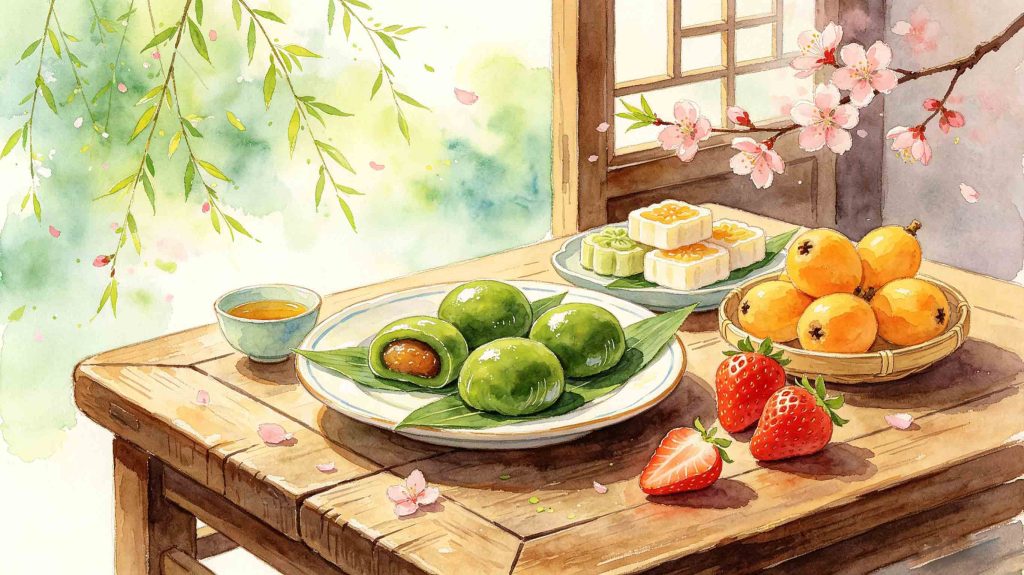
Qingming is one of the 24 solar terms in the traditional Chinese calendar, marking a specific point in the annual cycle with particular astronomical and environmental characteristics. Each solar term carries specific recommendations for diet, activity, and health maintenance based on traditional wisdom accumulated over thousands of years.
The timing of qingming varies slightly each year based on astronomical calculations. In the Gregorian calendar, this solar term typically falls on specific dates that can be calculated precisely. Chinese calendar resources provide accurate dates for planning purposes.
Traditional customs for qingming include specific foods, family gatherings, and ritual activities designed to honor the seasonal transition. These practices vary by region but share common themes of preparation, community, and alignment with natural rhythms.
Preparation for qingming includes practical tasks like home maintenance and seasonal supplies, as well as health-focused activities like dietary adjustment and exercise modification. Taking time for planning and preparation ensures readiness for the seasonal transition.
Observing qingming supports health through alignment with natural cycles, appropriate seasonal eating, and community connection. Traditional practices also address specific health concerns associated with this time of year, providing proactive wellness support.
Modern people can significantly benefit from qingming traditions, even without agricultural dependencies or traditional living contexts. The principles of seasonal awareness, community connection, and natural alignment remain relevant for contemporary life and offer practical benefits for health and wellbeing.
Qingming represents a valuable opportunity for aligning daily life with natural rhythms while connecting to centuries of accumulated wisdom. The principles encoded in these traditional practices offer practical guidance for contemporary living that addresses fundamental aspects of human wellbeing.
Whether approached through the lens of health optimization, cultural connection, or simple curiosity about traditional wisdom, qingming provides meaningful benefits for those who take time to understand and observe it. The integration of physical, emotional, and cultural aspects creates a comprehensive approach to seasonal living.
We invite you to explore the other solar terms on our site and discover how traditional Chinese calendar wisdom can enhance your modern lifestyle. Each solar term offers unique insights and practical guidance for living in harmony with natural cycles throughout the year.
Explore the previous solar terms—[Start of Spring], [Rain Water], [Awakening of Insects] and [Spring Equinox]—to understand the complete seasonal progression. For additional context, you can also refer to [Solar Terms on Wikipedia]
May is meteorological spring in China, but local weather ranges from cool northern conditions to…
Read More →
Understand winter in China by month and region, from snowy northeast cities to mild southern…
Read More →
China has no single monsoon month. Compare South China, the Yangtze Meiyu belt, North China,…
Read More →